Meal prep has a reputation problem. Search for it and you’ll find colour-coded containers arranged like a magazine shoot, ingredient lists longer than your weekly shopping, and people claiming they spend four hours in the kitchen every Sunday. That’s not realistic for most of us. So here is the honest version: meal prep questions answered simply, without the fuss, the fancy equipment or the guilt. If you’ve ever wondered whether it’s worth it, how long food actually keeps, or whether you’re allowed to just cook once and eat twice, the answers below are for you.
Getting started
Do I have to prep a whole week at once?
No, and honestly, most beginners shouldn’t. A full week of prepped meals sounds efficient until you’re eating the same chilli on Thursday that you made on Sunday and you never want to see it again. Start with two or three days. Cook a batch of something on Sunday, eat it Monday and Tuesday, then top up midweek. You get the time savings without the boredom or the fridge full of food you’re dreading.
What should I make first?
Pick one meal you already cook without thinking. If that’s pasta with a tomato sauce, prep the sauce in a big pot and portion it out. If it’s a tray of roasted vegetables, roast two trays instead of one. The trick is to multiply something familiar rather than learn a new recipe. New recipes add decisions, and decisions are what make people quit in week two.
Do I need special containers?
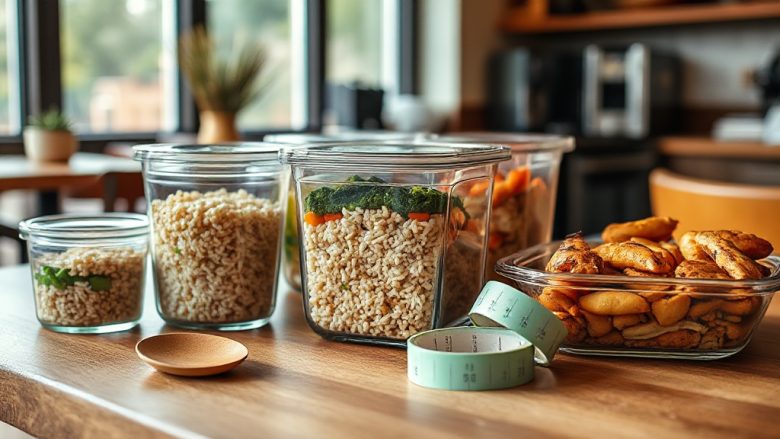
You need containers that seal properly and stack in your fridge. That’s it. Glass is nice because it doesn’t stain or hold onto smells, but it’s heavy and it costs more. Plastic is lighter and cheaper, though it can pick up the colour of curry over time. Mixed sets work fine. What matters more is that the lids actually close, because a leaky container turns a good intention into a fridge-cleaning afternoon.
How much time does this really take?
For a beginner doing two or three days’ worth, plan on about an hour and a half, including washing up. That’s roughly the time you’d spend cooking dinner from scratch twice, except you’re doing it once. If someone tells you they prep a week of meals in twenty minutes, they’re either cooking very simple food or they’re counting the time differently than you would.
What if I hate eating leftovers?
Then prep components instead of finished meals. Cook a batch of chicken, a pot of rice and a tray of vegetables, and keep them separate. On the night, you assemble them differently: chicken with rice and veg one day, chicken in a wrap the next, rice stirred into a soup later in the week. Same cooking session, three different plates. It feels less like leftovers because you’re not reheating the same dish.
Storage and safety
How long does cooked food actually keep in the fridge?
For most cooked meals, three to four days is the sensible window. Some things stretch further, some don’t. Cooked rice is the one people get wrong most often: cool it quickly, refrigerate it within an hour or so, and eat it within a day or two rather than pushing it to the end of the week. If you’re prepping five days ahead, freeze the later days rather than leaving them in the fridge.
Can I freeze everything?
Almost, but not quite. Soups, stews, curries, chilli, cooked mince and most sauces freeze beautifully. Potatoes in a stew can go grainy, and anything with a lot of raw salad in it will be sad when it thaws. Dairy-based sauces sometimes split. The practical rule: freeze the wet, saucy, robust things, and keep the crisp, fresh things for the day you eat them.
How do I cool food down safely?
Don’t put a huge pot of hot stew straight into the fridge. It warms everything around it and takes hours to drop to a safe temperature. Spread it into shallow containers first, or sit the pot in a sink of cold water for a bit, then refrigerate. Portioning into smaller containers does double duty here: it cools faster and it’s already ready to grab.
Do I need to label things?
Yes, and it takes ten seconds. A strip of masking tape with the date and what’s inside saves you from the mystery container at the back of the shelf. It also stops you from reheating something that’s been sitting there since last Tuesday when you thought it was from yesterday. If you freeze portions, labelling is even more important, because frozen food all looks the same.
What about reheating?
Reheat until it’s piping hot all the way through, not just warm at the edges. Stir halfway if you’re using a microwave, because the centre can lag behind. If something has been reheated once and not finished, don’t reheat it again. That’s the kind of small habit that keeps batch cooking from turning into a stomach ache.
Time and money
Does meal prep actually save money?
Usually, yes, but not automatically. It saves money when it stops you buying lunch out, ordering takeaway on a tired evening, or throwing away vegetables you bought with good intentions. It costs money when you buy a load of containers, special ingredients and a shelf of spice jars you use twice. The savings come from repetition, not from gear. Cooking the same base three ways beats chasing a new recipe every week.
How do I stop wasting food?
Plan around what you already have. Before you shop, look at the fridge and ask what needs using first. Half a bag of spinach, a lonely pepper, the end of a block of cheese. Build one meal around those, then shop for the rest. You’ll spend less and throw less away. It’s less glamorous than a themed weekly menu, but it’s the habit that actually sticks.
What’s the fastest way to prep on a busy week?
Use one appliance and one pan. A tray of vegetables and protein in the oven takes almost no attention while you cook a pot of grains on the hob. That’s two jobs running at once and about twenty minutes of actual hands-on work. Add a jar of sauce or a squeeze of lemon and you’ve got the base for several meals. Speed comes from doing fewer things at once, not from moving faster.
Should I prep breakfast and lunch too?
Only if those are the meals where you actually struggle. If you skip breakfast because you’re rushing, prepping overnight oats or boiled eggs solves a real problem. If lunch is where you overspend, that’s the one worth prepping. Don’t prep all three meals just because a guide told you to. Prep the meal that costs you the most time, money or stress, and leave the rest alone.
How do I keep it going past week two?
Lower the bar. The people who stick with meal prep long term aren’t doing anything impressive; they’re doing something small and repeatable. One batch of something on a Sunday. A handful of containers. A rough idea of what’s in the fridge. The moment it becomes a project with rules and a shopping list you dread, it stops being useful. Treat it as a shortcut, not a lifestyle, and it’ll survive the weeks when you’re busy, tired or just not in the mood.
That’s really the whole answer. Meal prep is just cooking a bit more than you need, a bit earlier than you need it, and storing it well enough that it’s still good when you get to it. Everything else is optional.